CLIMATE ACTION FRAMEWORK
Turning Ambition into Practical Progress
Turning Ambition into Practical Progress
Meaningful climate action begins with understanding environmental impact and making informed decisions about how that impact can be reduced.
The former UNFCCC Climate Neutral Now Initiative promoted a clear sequence: measure greenhouse gas emissions, reduce emissions wherever practicable and contribute responsibly toward addressing residual emissions.
Although the initiative concluded at the end of 2024, these principles continue to provide a useful foundation for structured and transparent climate action.
Endless Energy Group supports organisations exploring energy efficiency, renewable integration, energy storage, electrification and resilient infrastructure as part of their broader emissions-reduction journey.
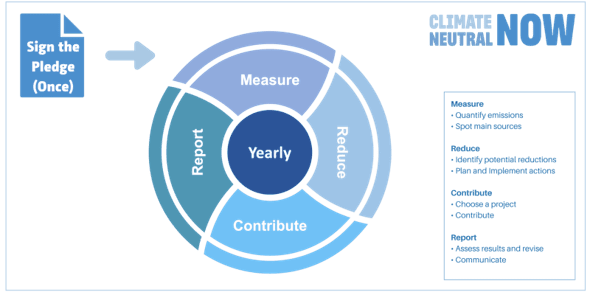

Measure Reduce Contribute

Measure
Establish a credible understanding of where emissions arise across operations, purchased energy and relevant value-chain activities.
A clear baseline helps organisations identify their most significant sources of impact, set priorities and measure progress over time.
Key considerations:
• Energy consumption and demand
• Fuel and transport use
• Operational processes
• Purchased electricity
• Relevant supply-chain activities
• Data quality and reporting boundaries

Reduce
Prioritise practical actions that avoid or reduce emissions before considering any form of compensation.
Reduction opportunities may include improving energy efficiency, integrating renewable generation, deploying battery storage, electrifying equipment and using intelligent energy-management systems.
Key opportunities:
• Energy-efficiency improvements
• Renewable energy integration
• Battery energy storage
• Equipment electrification
• Demand management
• Infrastructure optimisation

Contribute
After credible reduction opportunities have been addressed, organisations may consider supporting independently verified climate initiatives for emissions that cannot yet be eliminated.
Any contribution should be transparent, traceable and treated as a complement to direct emissions reduction—not a replacement for it.
Key principles:
• Address residual emissions only
• Use credible and verified mechanisms
• Maintain transparent records
• Avoid unsupported climate-neutral claims
• Review the approach regularly
WHY IT MATTERS
Credible Climate Action Creates Long-Term Value
Credible Climate Action Creates Long-Term Value
A structured approach to climate action helps organisations move beyond broad commitments and focus on measurable operational improvements.
It can support stronger decision-making, greater energy resilience, more efficient infrastructure and clearer communication with customers, partners and stakeholders.

Operational Understanding
Reliable energy and emissions information helps identify inefficiencies, risks and investment priorities.

Efficiency and Cost Management
Reducing unnecessary energy consumption can improve operational performance and help control long-term costs.

Resilient Infrastructure
Storage, electrification, renewable integration and intelligent energy management can strengthen energy security and adaptability.

Transparent Progress
Clear targets, documented actions and regular reporting help organisations communicate progress with greater confidence.
Our Historical Participation
Endless Energy Group participated in the former UNFCCC Climate Neutral Now Initiative from 2022 until the initiative concluded at the end of 2024.
We recognise the initiative’s contribution to encouraging organisations to measure emissions, prioritise reductions and communicate climate action more transparently. EEG continues to support these principles through its approach to energy technology, infrastructure and strategic collaboration.
OUR COMMITMENT
Build a Practical Pathway to Lower-Impact Infrastructure
Explore how energy technology, storage, electrification and intelligent infrastructure can support your organisation’s operational and climate objectives.
Speak with Endless Energy Group about your energy requirements, infrastructure priorities and long-term strategy.